
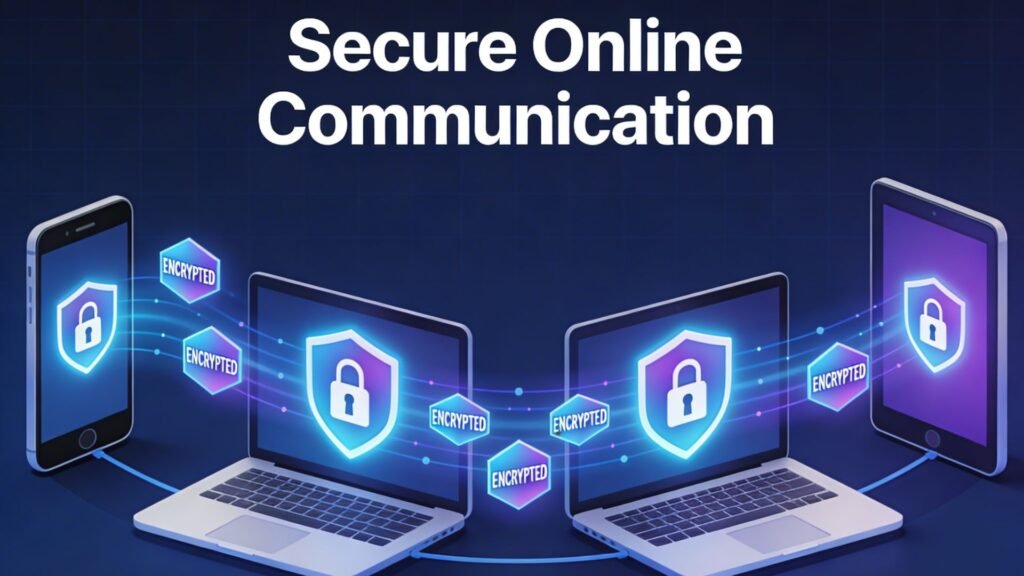
Remote teams rely on cloud-based slot deposit pulsa apps like Zoom, Slack, Microsoft Teams, and Google Workspace for collaboration, but using public Wi-Fi or unsecured networks can expose sensitive files and conversations to cyberattacks. Encrypted connections create secure tunnels between devices and the internet, protecting chat messages, video calls, and shared documents while helping organizations comply with regulations like GDPR and CCPA.
This reduces the risk of data leaks and ensures teams can work productively across locations. This article explains how secure connections safeguard collaboration tools, enhance privacy, and enable distributed teams to communicate and share files safely.
Why VPN for Communication
VPNs encrypt internet traffic using advanced protocols like AES-256, making it unreadable to hackers or eavesdroppers. This is critical for VoIP calls, instant messaging, and document sharing, which are common targets for man-in-the-middle attacks. VPNs also mask IP addresses to prevent tracking or profiling, and many maintain strict no-logs policies to enhance privacy.
For teams operating across borders, encrypted tunnels reduce interception risks on public or shared networks while maintaining security standards. Companies benefit from this protection by safeguarding sensitive business communications from potential breaches. Using a VPN strengthens trust in remote collaboration tools. Employees can confidently share documents, conduct video calls, and communicate without risking exposure of confidential information.
For industries such as healthcare, finance, or legal services, VPN use helps meet regulatory standards while enabling secure workflows. Additionally, encrypted connections provide an extra layer of protection when employees connect from unverified networks, ensuring company data remains confidential.
Securing Video Conferencing
Video conferencing platforms such as Zoom, Microsoft Teams, and Google Meet transmit large amounts of real-time data, including audio, video, and screen shares. Without encryption, these transmissions can be intercepted by malicious actors using packet-sniffing tools. VPNs secure video conferencing traffic, ensuring that calls cannot be monitored or recorded by unauthorized parties. By masking IP addresses, VPNs also prevent participants from tracking the physical location of attendees.
Some VPNs offer obfuscation features that help bypass firewalls or content filters, making it possible for teams to maintain HD-quality calls even in restrictive network environments. This is particularly important for international teams where government or corporate firewalls might otherwise block platforms. VPNs can stabilize connections by reducing latency and mitigating throttling imposed by ISPs. Teams using sensitive platforms for board meetings, client calls, or confidential strategy sessions can rely on VPNs to maintain both privacy and call quality.
Secure Messaging and File Collaboration
Messaging apps like Slack, Discord, and Microsoft Teams offer built-in encryption, but their security depends on the app servers. Adding an encrypted transit layer protects messages from being intercepted by ISPs, network administrators, or cybercriminals. This extra protection ensures that sensitive conversations remain private and reduces the risk of metadata exposure, such as timestamps or keywords. For teams using streaming platforms like Kodi, these secure connections can also safeguard shared media links and streaming data when collaborating on content projects.
For hybrid and remote teams, encrypted connections keep chat communications secure across multiple networks, including public Wi-Fi. This protection also helps prevent attacks like session hijacking or credential theft, which can compromise team collaboration. By combining in-app encryption with secure data transit, organizations strengthen privacy at multiple points of vulnerability.
File sharing and cloud storage benefit from the same protection. Services like Google Drive, Dropbox, and OneDrive make collaboration easy, but remain vulnerable on unsecured networks. Encrypting uploads and downloads ensures sensitive files like contracts, financial statements, or proprietary designs cannot be intercepted, while secure connections allow employees to access geo-restricted company servers or cloud resources safely, enabling seamless collaboration from any location.
Remote Team Access
Distributed teams often need access to internal resources, such as company intranets, virtual private clouds (VPCs), or secure databases. Using secure remote access ensures that employees can connect safely to corporate networks from any location, providing a protected bridge between remote devices and sensitive company systems. Features like split-tunneling allow teams to route only collaboration apps through these connections while maintaining standard internet access for other activities.
Multi-factor authentication (MFA) can be integrated to meet compliance requirements and prevent unauthorized access. Secure remote access allows authorized employees to safely connect to corporate networks from any location, ensuring sensitive company data and resources remain protected. Centralized management dashboards enable IT teams to monitor activity, enforce security policies, and quickly respond to potential threats. These measures make it possible to maintain operational efficiency without sacrificing security, even when employees are spread across multiple countries or time zones.
Best VPNs for Teams
For remote teams, choosing a secure solution involves evaluating factors such as device compatibility, ease of deployment, server reliability, and integration with existing enterprise systems. Organizations should ensure that communication tools support encrypted connections, split-tunneling for essential apps, multi-factor authentication, and detailed audit logging. These features help protect sensitive data while maintaining workflow efficiency.
Enterprise setups often provide centralized management dashboards to monitor user activity, enforce security policies, and quickly respond to potential threats. Team management tools and analytics help administrators identify vulnerabilities and improve operational security. By focusing on robust security features and scalable configurations, businesses can simplify the process of securing remote collaboration and ensure compliance with data protection regulations.
Setup & Best Practices
Implementing a VPN for team communication requires careful planning. VPN clients should be installed on all devices used for work, including desktops, laptops, and mobile devices. IT administrators should configure policy-based routing to ensure collaboration apps traffic is encrypted while minimizing unnecessary overhead.
Training employees on essential features such as kill switches and automatic reconnection enhances security during network interruptions. Organizations should periodically audit logs to detect suspicious activity or potential breaches. Strong password policies and MFA further enhance VPN security. Additionally, updating VPN software regularly ensures protection against newly discovered vulnerabilities. Combining technical measures with employee education creates a comprehensive defense for remote collaboration.
Conclusion
VPNs transform remote communication from a potential security risk into a controlled, encrypted environment. They protect video calls, messaging, and file sharing from interception, anonymize user activity, and help organizations comply with privacy regulations. For distributed teams, VPNs provide secure access to internal resources while maintaining productivity.
Adopting enterprise-grade VPN solutions ensures seamless collaboration across devices, locations, and networks. By integrating VPNs into daily workflows and enforcing best practices, companies can create a resilient framework for secure remote collaboration that scales with business needs.
